Internal doors do far more than separate rooms. They shape how your home feels, how light flows through it, and how each area connects to the next. The right internal door style can accentuate architectural features, improve privacy and even influence the theme of your property. Whether you are renovating a traditional period home or updating a new build, your choice of internal door defines the character of your indoor spaces.
Across the internal doors market, there are a multitude of different door styles available to truly transform your modern or classic home. From sleek, contemporary panels to rich, heritage-inspired Victorian designs - each door option has distinct qualities, material differences and unique properties that influence where it works best. Some styles maximise natural light, others faithfully complement period detailing, while some deliver cost-effective durability for busy family homes.
Choosing without understanding these differences can lead to practical and aesthetic issues. A heavy traditional door in a minimalist extension can feel out of place, whereas lightweight flush doors may underwhelm in a classic property. Poor quality cores can also reduce sound insulation and even compromise fire performance.
In our latest guide, Door Giant will explore a series of essential internal door styles and where they work best, helping you make a more informed purchasing decision that complements both your interior design type and the overall fabric of your home. From contemporary to cottage, Edwardian to urban industrial, it's time to discover which door design will make the biggest impact.
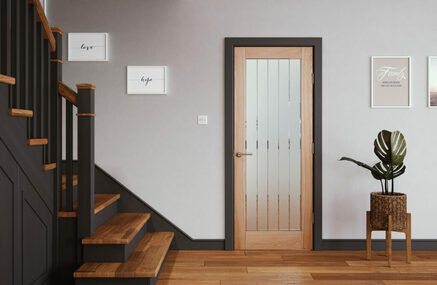
Contemporary internal doors are defined by clean lines, subtle detailing and a focus on smart simplicity and sleek minimalism. Often constructed with flush surfaces or horizontal grooves, they are available unfinished, primed or pre-finished in solid oak, natural wood veneers and various glazed options that enhance indoor brightness. These doors are particularly popular in modern homes, extensions and renovated interiors where a sleek, uncluttered aesthetic is desired.
Cottage internal doors are traditional-style doors that are intentionally designed to reflect the warmth, character, charm and classic craftsmanship of rural homes and period properties. Commonly made from solid timber with tongue and groove boarding or a ledged and braced construction, they highlight natural wood grain and texture. Painted heritage colours or stained finishes enhance their rustic appeal, making them a popular choice in countryside abodes and older houses.
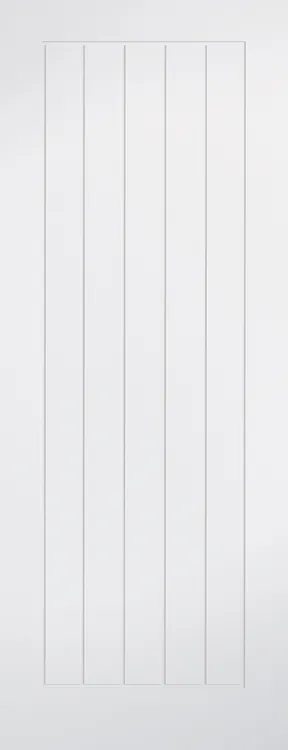
Inspired by early 20th-century British home design, particularly from the Edwardian era (1901–1910) and the interwar 1930s period. Edwardian and 1930s internal doors are characterised by simple, symmetrical panel layouts and understated detailing that reflect the move away from ornate Victorian styles toward cleaner, more practical design. The upper panels are often glazed to allow more light into hallways and landings.
They typically suit any homeowner seeking traditional character in classic homes, Edwardian period properties, 1930s semi-detached houses, renovation projects and heritage-inspired new builds.
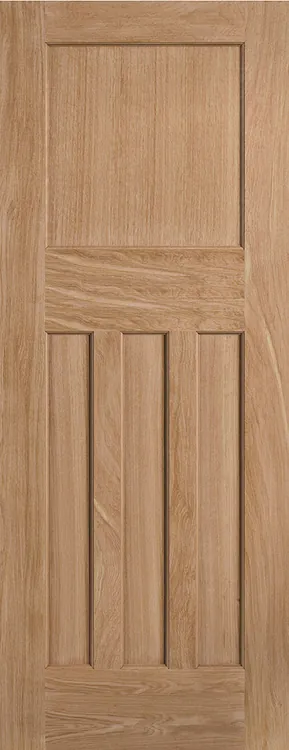
Manufactured with a composite core and finished with a hardwearing laminate surface, laminated doors are a durable, practical and low maintenance choice designed to withstand daily wear in busy households. Available in a versatile range of stylish contemporary and attractive wood-effect finishes to suit your home, they are a cost-effective solution that won't compromise on style. Laminated doors are ideal for modern residential homes, apartments, new builds, offices, and any other high-traffic spaces.
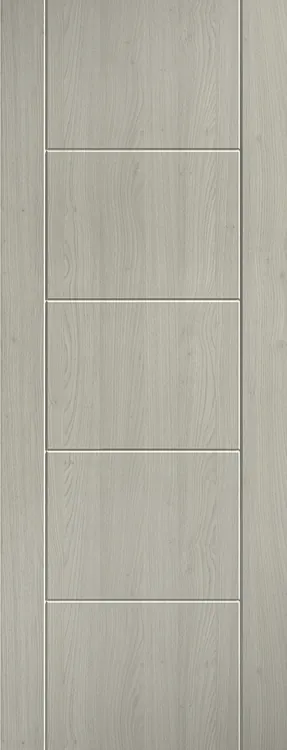
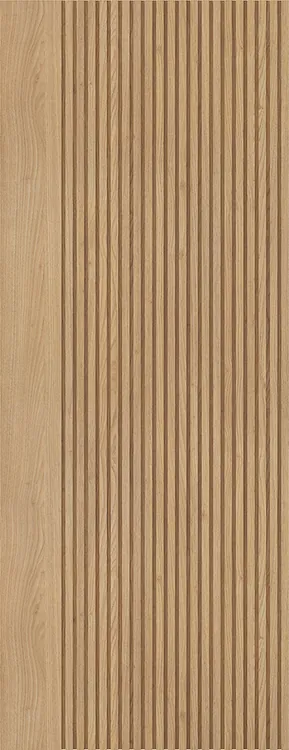
Mexicano doors are identified by their vertical plank-style panel design which runs the full height of the door to create a bold visual statement. Often produced in oak or oak-effect finishes, they combine contemporary styling with subtle rustic appeal to bridge the gap between traditional and modern door styling. Their strong linear structure can also enhance the perception of the ceiling height in standard rooms, suiting everything from modern homes to barn conversions.
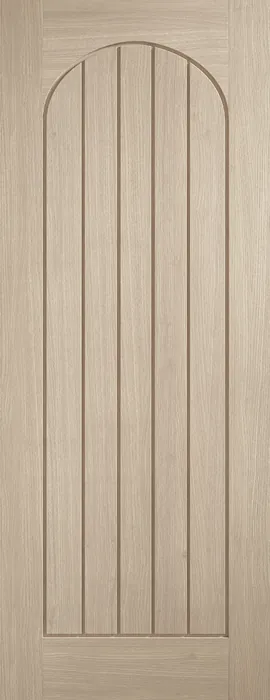
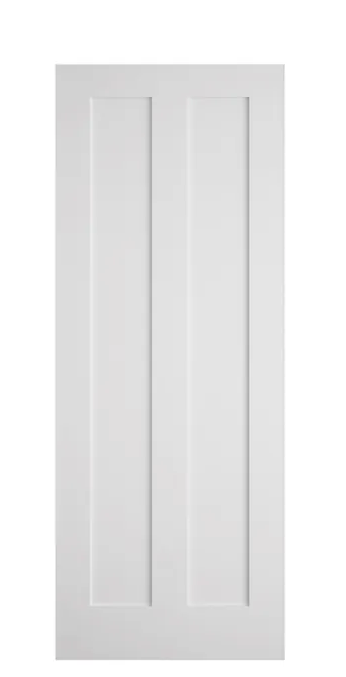
Inspired by the Shaker movement of the 18th and 19th centuries, Shaker doors are built on the craftsmanship principles of simplicity, quality, functionality, and understated elegance. They feature clean, straight lines, flat recessed panels, minimal mouldings and balanced proportions. Their versatility allows them to complement a wide range of different properties from Victorian terraces and 1930s homes to brand new houses thanks to their timeless proportions.
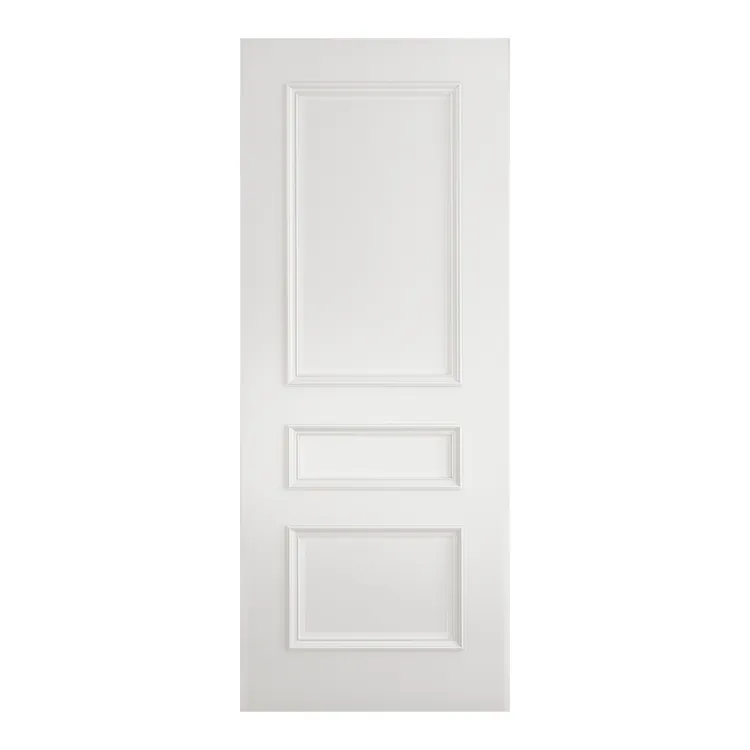
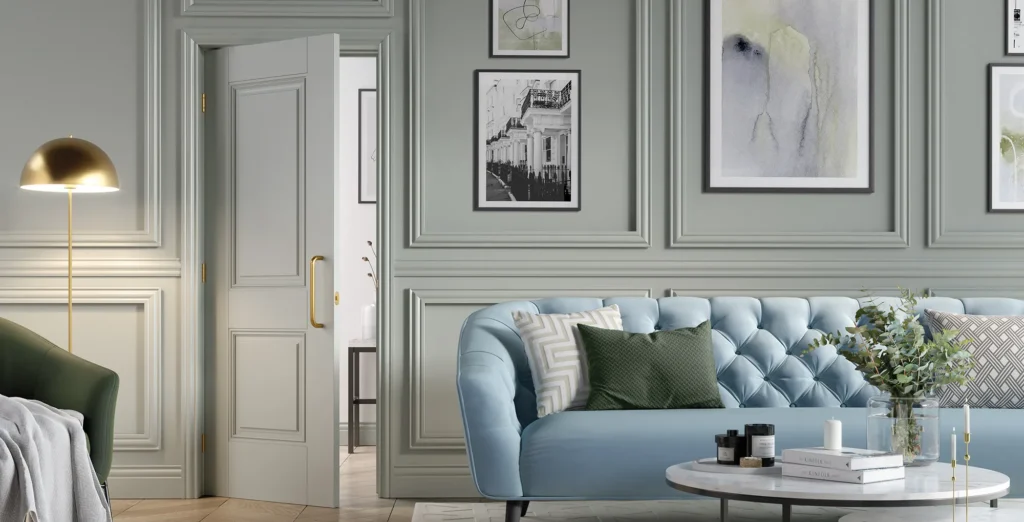
Traditional doors are purpose-made to reflect classic architectural styles commonly found in period and heritage properties. They are typically defined by a panelled construction, decorative detailing and balanced proportions, offering a timeless and formal appearance. Crafted from solid timber or engineered wood, they bring a sense of symmetry, elegance and permanence to a property. They are also especially suited to homes with original skirting boards, cornicing and fireplaces.
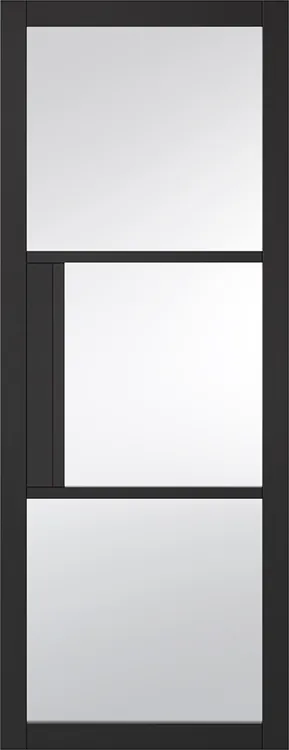
Urban industrial doors take visual cues from warehouse, factory and loft-style architecture, where exposed steel and pipework, brick walls, concrete floors, weathered timber and large glass panels take centre stage. They are characterised by slim metal-look frames, crittall-style glazing bars and clean grid patterns, creating a strong architectural statement within modern interiors. Typically the colours and corresponding hardware tend to be dark or matte black with rugged industrial textures. They are increasingly popular in loft conversions, modern extensions, offices and studios.
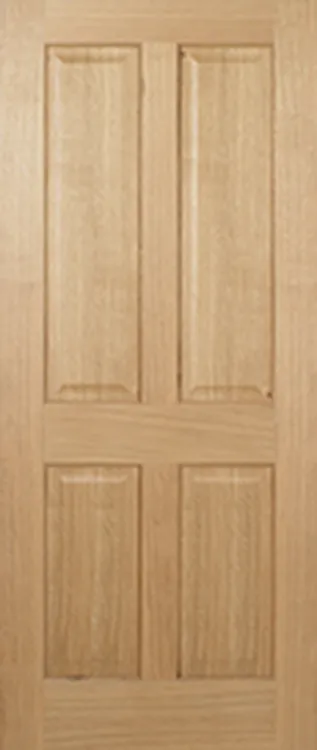
Directly influenced by British architecture from the Victorian era (1837–1901), Victorian internal doors are known for their taller proportions, ornate panelling and detailed mouldings. Reflecting classic craftsmanship, they add grandeur and architectural authenticity to period homes, typically with their four panel configuration, decorative moulded panel edges, visual symmetry and solid timber construction. Not only are they made for Victorian-period properties, they can also suit renovation projects, heritage-style homes and even some characterful new builds.