Choosing the perfect internal doors for your home is not just about style and aesthetics, it’s also vital for smooth operation and longevity. Whether you're replacing existing doors or fitting new ones, accurate measurements will save you time, money, and ultimately, a whole lot of frustration. Getting the right fit avoids draughts, misalignment and door swing issues that could lead to premature wear.
Measuring an internal door may seem like a straightforward task, but it requires precision and attention to detail. With variations in door sizes, frame types and potential irregularities in older properties, following the correct method is crucial. A small mistake in measurement can result in a door that doesn’t fit properly, leading to additional adjustments or even a complete replacement.
This Door Giant guide will take you through the step-by-step process of measuring an internal door accurately. We will cover the key measurements you need to take, common pitfalls to avoid, and useful tips to ensure a perfect fit. Whether you're a DIY enthusiast or a professional tradesperson, this guide will equip you with the knowledge you need.
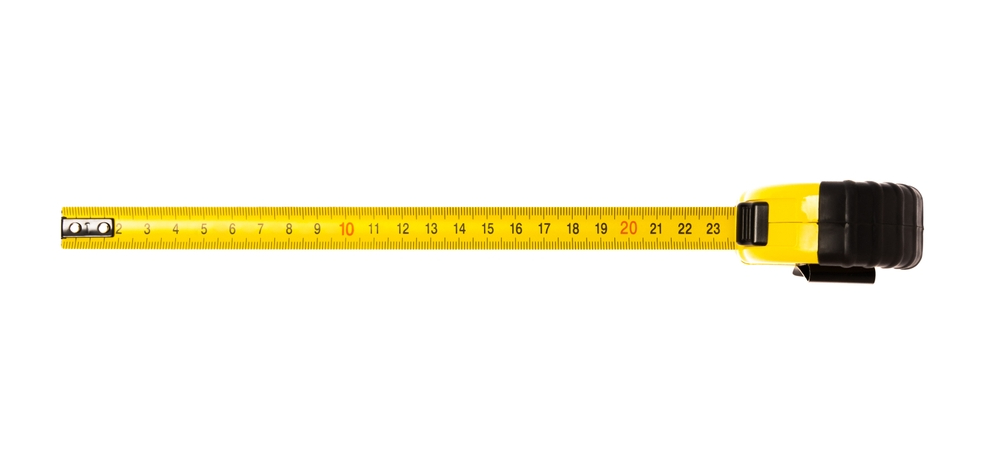
So, grab your tape measure, notepad and pencil, and let’s get started!
1. Tools You’ll Need
Before you begin, make sure you have the right tools to ensure accurate measurements. Here’s what you’ll need:
Having these tools on hand will make the process easier and help you avoid errors.
2. Measuring The Door Height
The height of the door should be measured in three places: left, middle, and right. This is especially important in older homes where the floor may not be completely level. Follow these steps:
If you are installing new flooring, factor this into your measurements to avoid issues with clearance.
3. Measuring The Door Width
Like height, the width of the door should be measured at three points: top, middle, and bottom. Here’s how:
Doors that are slightly too wide can be trimmed down, but it’s always best to get as close to the correct size as possible to avoid excessive adjustments. Make sure you follow the manufacturer’s trimming guidelines so that you don’t take too much off the door, exposing the core.
4. Checking The Door Thickness & Frame Rebate
The thickness of the door is another key measurement, as it determines whether it will fit properly within the existing frame. Standard internal doors in the UK typically come in thicknesses of 35mm, 40mm, or 44mm (fire doors). To measure thickness:
Frames with a rebate require a door that fits snugly within the groove, so this measurement is crucial for a secure fit.
5. Common Mistakes To Avoid
Even a small measurement error can lead to costly mistakes. Here are some common pitfalls to watch out for:
Measuring an internal door correctly is a crucial step in ensuring a smooth installation and a professional finish. By following these simple steps, you can avoid common mistakes and ensure that your new door fits perfectly. Taking accurate measurements of height, width, and thickness will save time, effort, and unnecessary expenses down the line.
Whether you’re replacing an old door or fitting a brand-new one, precision is key. With the right tools and attention to detail, you can achieve a seamless fit and enhance the overall look and functionality of your home. Now that you have a complete guide, you’re ready to measure your internal doors with confidence!